


For years, traveling with a pet was almost a rarity. Today, however, it is part of the reality for many families. Dogs and cats have stopped being “the animal that stays at home” to become, in many cases, just another member of the trip. However, this growing trend is not always accompanied by the necessary reflection. Traveling with a pet is not just about admitting it into an accommodation or putting it in the car: it involves responsibility, foresight, and, above all, common sense.
Because it’s not just about reaching the destination, but about how the journey is lived, how the animal adapts to changes, and how we manage to make the experience pleasant for everyone, without turning the vacation into a source of unnecessary stress.
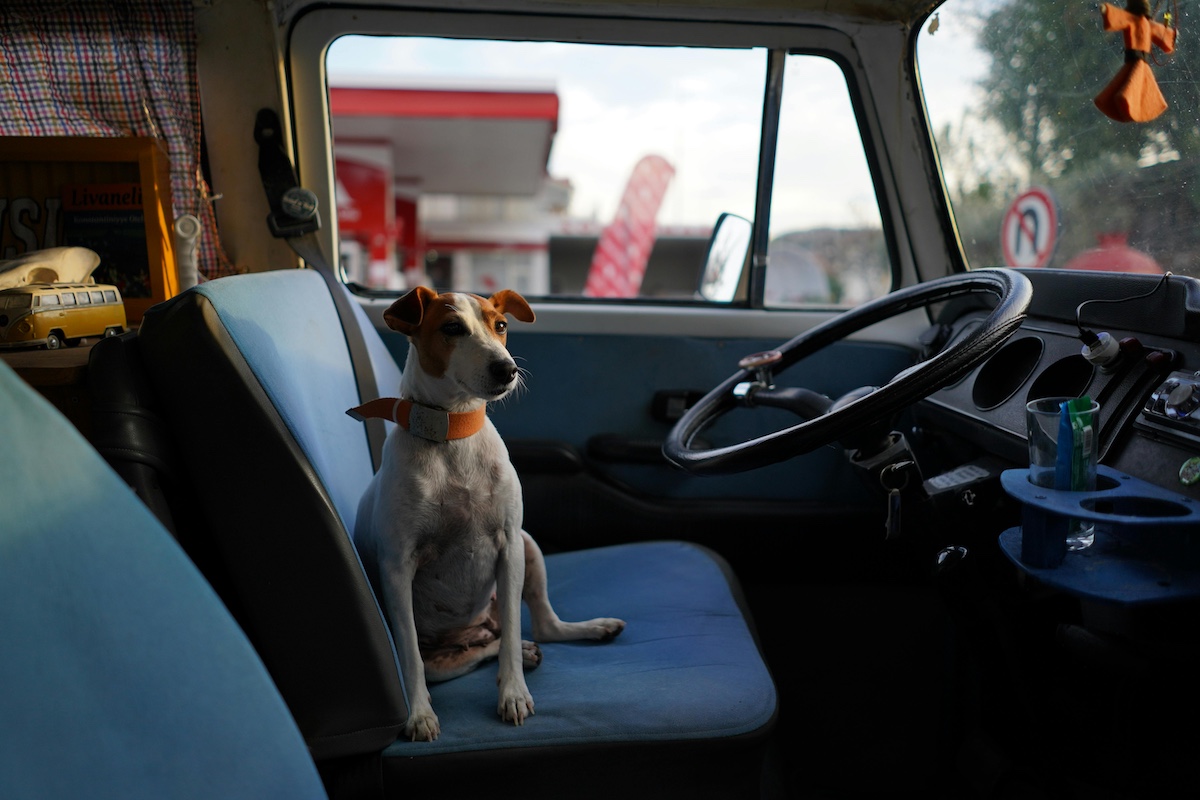
To Travel or Not to Travel? The First Important Decision
Before choosing a destination or means of transport, there is a basic question that should be asked honestly: is my pet ready to travel? Not all animals enjoy traveling, nor do they all react the same to changes in environment. There are dogs that adapt easily to any new place, and others that suffer just by altering their routine. In the case of cats, attachment to territory is usually even greater, so trips can be especially stressful.
The age, health status, and character of the animal are key factors. A restless puppy, an older animal, or one with anxiety problems needs a special assessment. Sometimes, the best decision—though not the most comfortable for the owners—is to opt for an alternative: leave it in the care of a relative, a professional sitter, or in its own home with daily visits. Traveling responsibly also means knowing when to say no.
Preparing the Trip Starts Weeks Before
One of the most common mistakes is improvising. Haste, in this case, is a bad companion. A pet needs time to get used to what is to come. If they are going to travel in a carrier, it is advisable to introduce it at home in advance, let them smell it, explore it, and associate it with something positive. Forcing the first contact on the day of the trip is usually a guarantee of nerves and resistance.
It is also important to maintain, as much as possible, their routines. Similar feeding schedules, previous walks before leaving, and a calm environment help the animal face the journey in better conditions. Long trips also require frequent breaks so they can move, drink water, and relax.
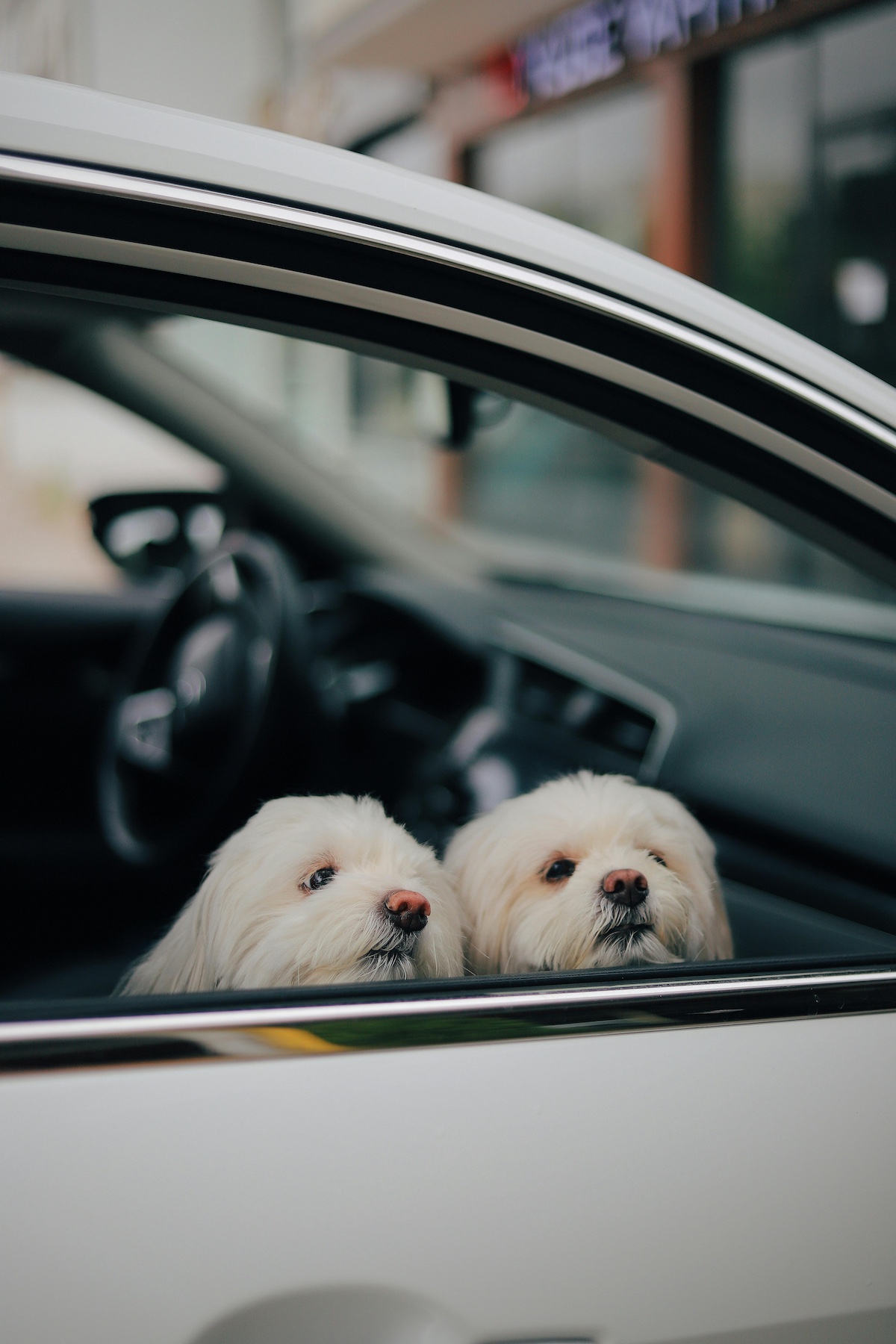
The Car: Comfort Yes, Safety Always
For many families, the car is the most practical option. It allows for flexibility, stops when necessary, and greater control over the environment. But that comfort should not be confused with permissiveness. A loose animal inside the vehicle not only poses a danger in the event of an accident but also a constant distraction for the driver.
There are multiple restraint systems that guarantee the safety of the animal and the occupants of the vehicle: special harnesses, well-secured carriers, or trunk dividers. Choosing one or the other will depend on the size of the animal and the type of car, but the important thing is that they travel protected and stable.
Another fundamental aspect is temperature. Even on short trips, leaving a pet alone inside the car can have serious consequences. Heat builds up quickly, and animals do not regulate their temperature like people. It is a basic rule that should never be forgotten.
Plane, Train, and Other Means: Planning Without Margin for Error
When the trip involves other means of transport, planning must be even more careful. Each company has its own rules, weight limits, and specific conditions. It is not enough to assume they “accept pets”: you must inform yourself well, book in advance, and make sure you meet all requirements.
In these cases, minimizing the animal’s stress is a priority. Direct routes, appropriate schedules, and a comfortable, familiar carrier can make the difference. It is also advisable to avoid unnecessary sedation and always trust veterinary criteria before administering any product.

Packing Wisely: Less is More, But Essentials are Not Missing
Preparing a pet’s luggage is not about filling a bag with objects, but about choosing what is truly necessary. Their usual food, enough water, a toy or blanket that smells like home, and basic hygiene items are usually enough. Changing their diet during the trip can cause digestive problems, something no one wants on vacation.
Don’t forget the documentation, even if the trip is short. Having identification and contact details at hand provides peace of mind in the face of any unforeseen event. Similarly, it is recommended to pre-locate a veterinary center at the destination, in case an emergency arises.
Arriving at the Destination: Adaptation Without Haste
Once at the chosen place, the most frequent error is demanding the animal adapt immediately. New smells, sounds, and spaces can be overwhelming. The ideal is to allow them to explore little by little, without forcing situations and respecting their timing. A quiet corner, with their things, helps them feel safe.
If traveling with children, it is important to explain to them that the pet also needs to rest. Excessive stimuli, constant games, or sudden changes can generate tension. Vacations are a good time to teach coexistence, respect, and empathy toward animals.
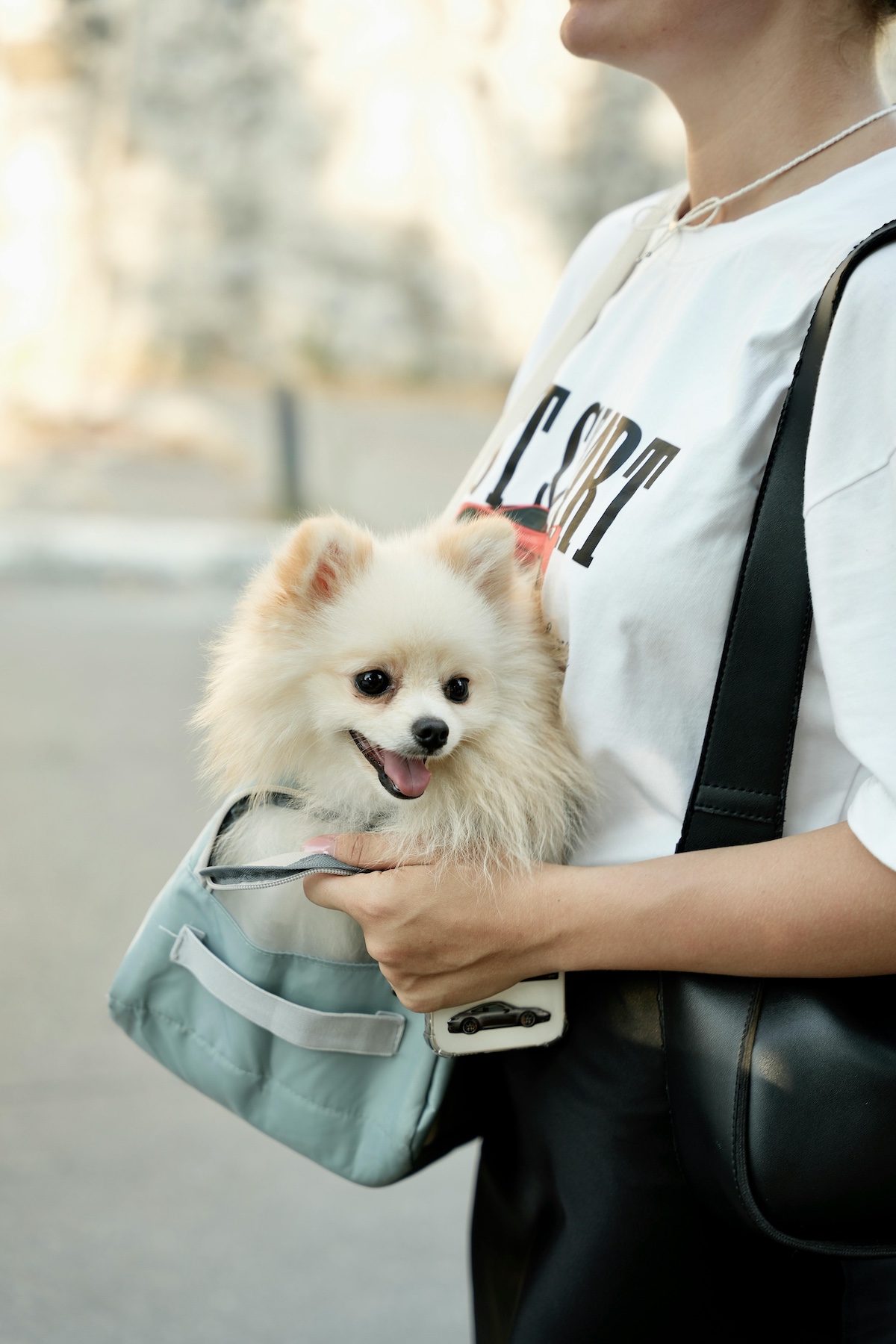
Traveling with a Pet is Also Educating
Traveling with an animal involves taking on responsibilities toward others. Respecting rules, keeping common areas clean, and controlling their behavior is fundamental for pet tourism to continue being a viable option. Good coexistence is the best cover letter for those who bet on inclusive family tourism.
When They Don’t Travel with You, There is Also Peace of Mind
Not all vacations have to include the pet, and that does not mean abandonment or lack of interest. Leaving them in a familiar environment, with proper care and daily attention, can be the most sensible option on certain trips. The important thing is that the decision is made thinking about their well-being, not just our desire to take them with us.
A Shared Journey, Not an Imposed One
Traveling with pets can be a wonderful experience if approached from respect and preparation. It is not about “taking them just because,” but about integrating them into the journey consciously. When done right, the result is a shared, peaceful, and authentic memory, where everyone—people and animals—returns home with the feeling of having truly enjoyed themselves.